Everything you need to know before visiting the heart of northwestern Iran.
Zanjan is easily accessible by air, train, road, and bus from major cities across Iran.
Zanjan Airport (JWN) has regular flights from Tehran and other major Iranian cities. The airport is well-connected and offers convenient access to the province.
π Zanjan Airport (JWN)The TehranβTabriz railway line passes through Zanjan with comfortable overnight and daytime options. The railway is one of the most scenic routes in Iran.
π Zanjan Railway StationExcellent highway connections via the TehranβTabriz freeway. The drive from Tehran takes approximately 3.5 hours (330 km).
π Via TehranβTabriz FreewayRegular bus services from major cities across Iran. The bus terminal is conveniently located near the city center.
π Zanjan Bus TerminalZanjan has a four-season climate with 11 different climate types. The average annual temperature is 11Β°C.
Ideal time to visit β mild weather, blooming landscapes, and comfortable temperatures. Average: 15-25Β°C.
Best SeasonGolden foliage and pleasant temperatures. Perfect for photography and outdoor activities. Average: 12-22Β°C.
Great for PhotosCold with heavy snowfall β perfect for snow lovers. Average temperature: -5 to 5Β°C.
Snowy & CozyWarm but dry; evenings are cool and comfortable. Average temperature: 20-32Β°C. Best time for mountain hiking.
Mountain WeatherThe province is divided into two distinct regions: mountainous (cold) and plain (milder).
From luxury hotels to budget-friendly stays, Zanjan offers a variety of accommodation options.
Stylishly spacious rooms with business facilities. Top-rated option in the city.
Traditional Persian architecture meets modern comfort. An iconic retreat.
Great value, conveniently located close to the main bazaar and city attractions.
Authentic Persian luxury experience with traditional architecture.
Comfortable and well-located hotel offering excellent service for both business and leisure travelers.
One of Zanjan's well-known hotels, offering affordable accommodation and convenient access to city attractions.
π Check Zanjan 360 Hotels Guide for more options.
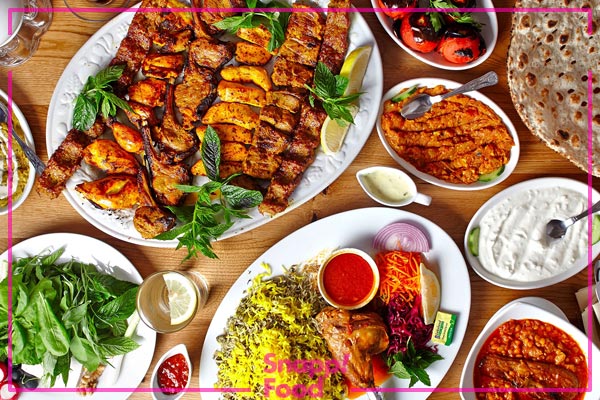
Juicy minced meat kebab with local spices β the gastronomic symbol of the region.
A traditional dish with curd, green lentils, white beet, chickpeas, and optional meat.
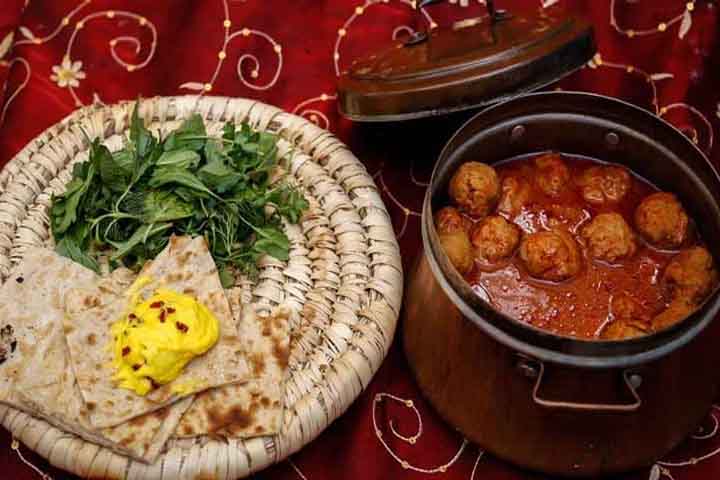
One of the oldest and most delicious meals β a broth-like dish with onion, walnut, meat, tomato, lentils, and dried apricots.
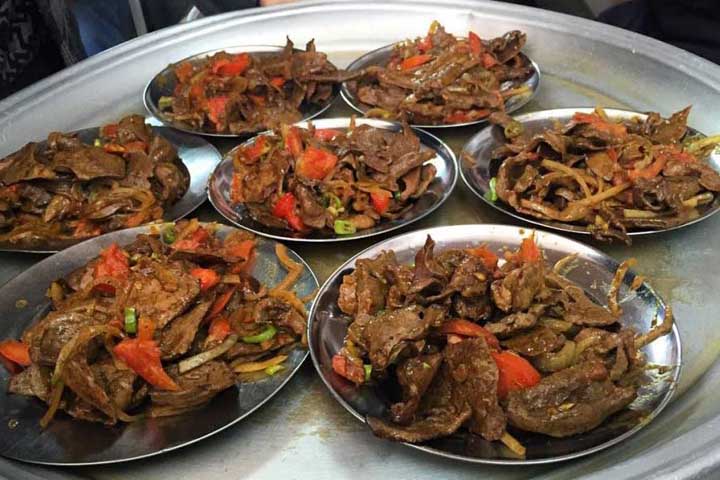
A traditional Zanjan dish made with sheep's liver, lungs, and heart β a local specialty.
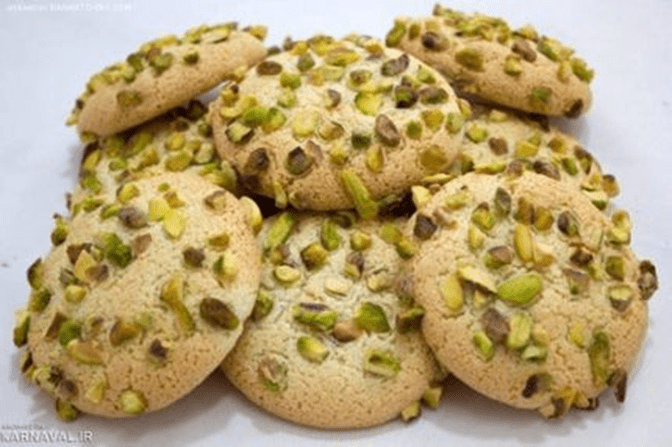
Traditional rice cookies, a sweet specialty of Zanjan.
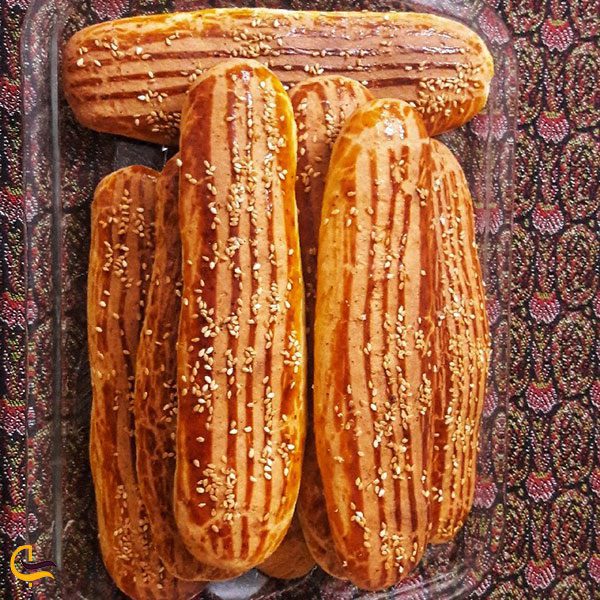
Delicious traditional bread baked throughout the year in Zanjan.
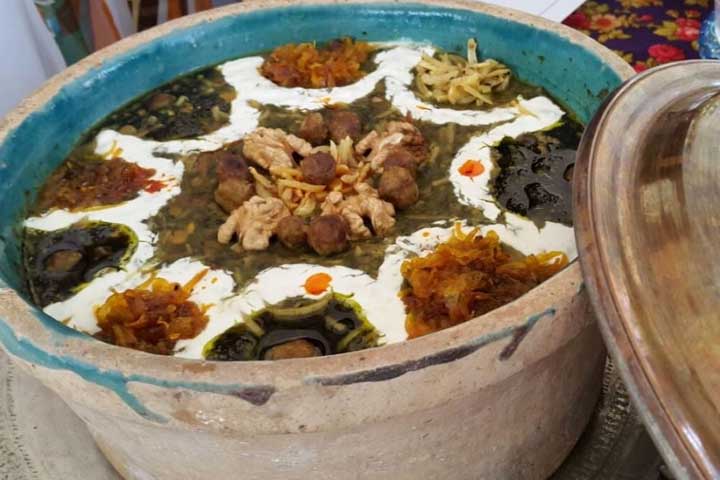
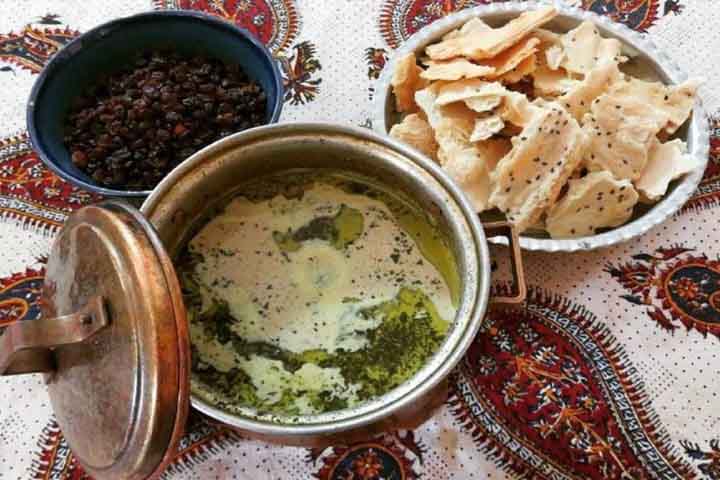
A traditional sour soup with herbs, vegetables, and a tangy flavor β a unique Zanjan specialty.
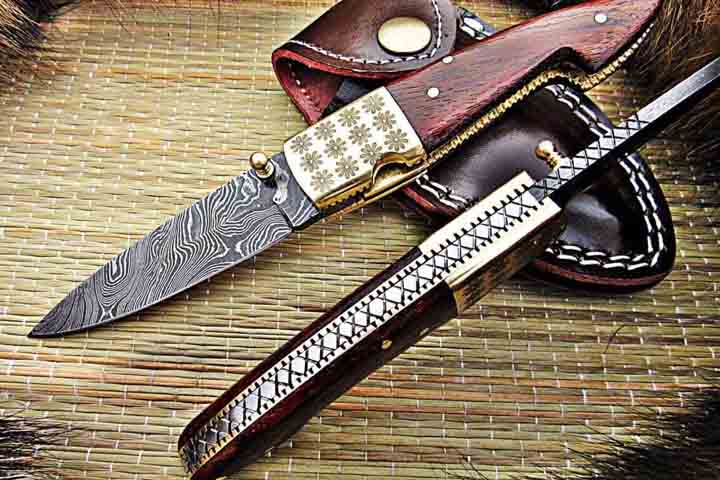
Handmade, world-famous cutting tools β the most popular souvenir of Zanjan.
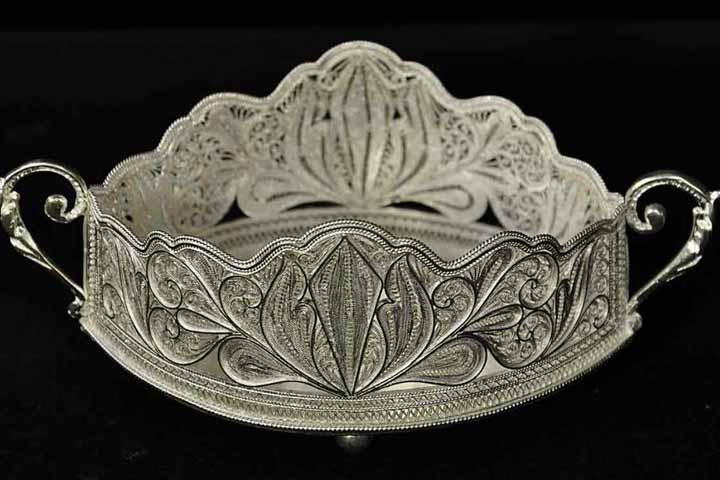
Delicate metalwork art β Zanjan is the global capital of filigree with 16,000+ artisans.
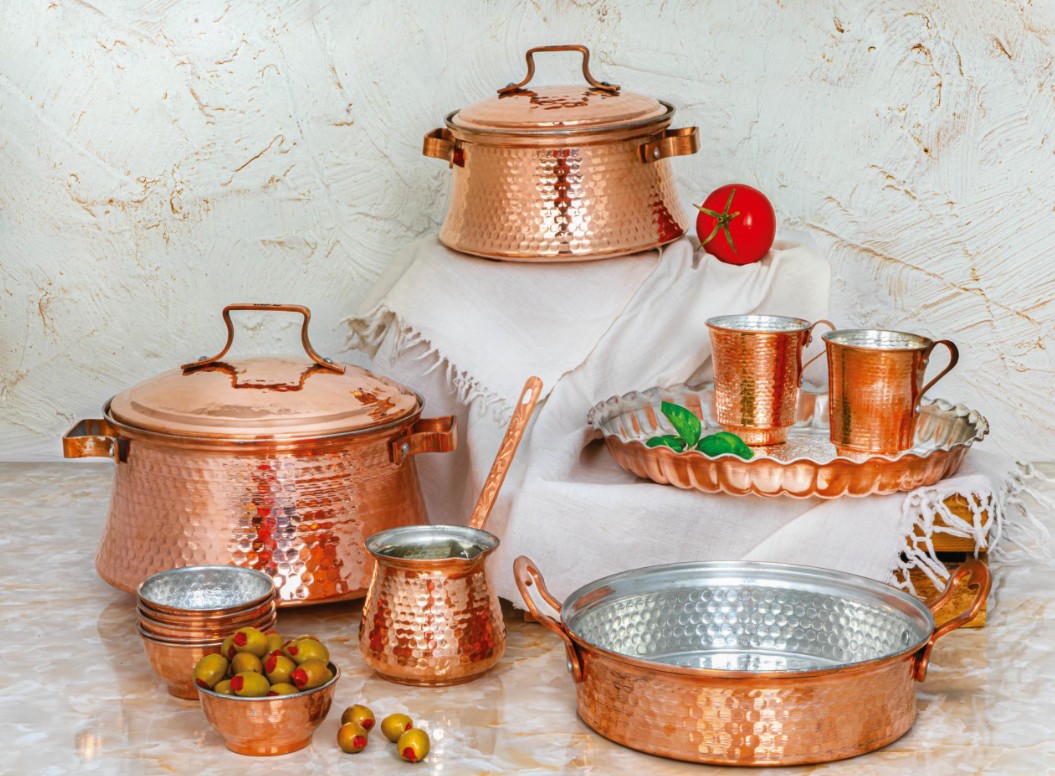
Traditional handcrafted copper items β a distinctive souvenir of Zanjan.
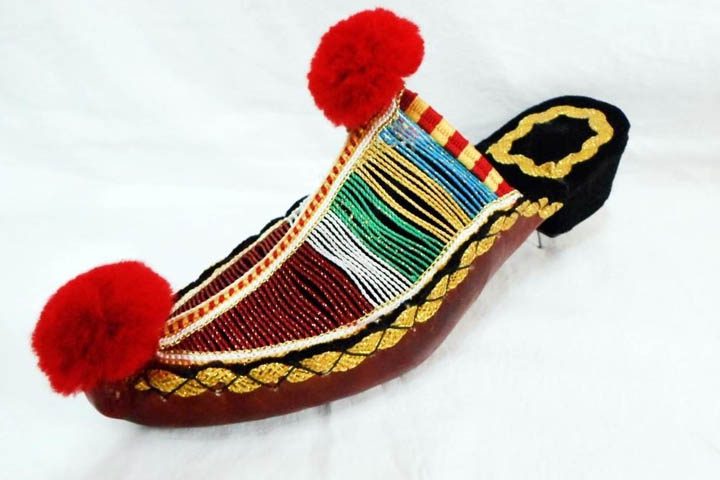
Handmade traditional shoes, a unique souvenir of Zanjan's rich handicraft heritage.
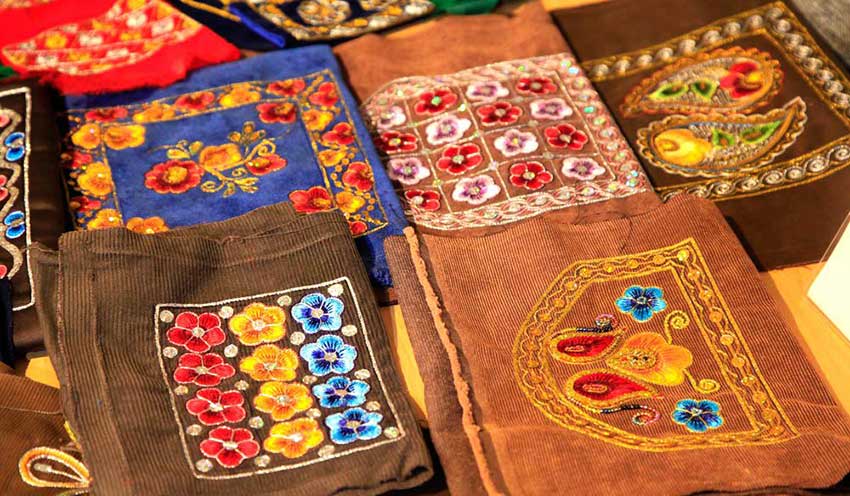
Warm, colorful, and durable Persian rugs handwoven by local artisans.
π Learn more at Zanjan 360 Souvenirs Guide
Iranian Rial (IRR). Cash is king; international credit/debit cards work only locally. Carry sufficient cash for your trip.
Azerbaijani Turkish and Persian are the main languages. English is limited β use a translation app. The local dialect is Zanjan Turkish.
4G LTE available in urban areas. Free Wi-Fi in most hotels and cafes.
Modest dress is required for both men and women in Iran. Women should wear a headscarf and loose-fitting clothing.
Taxis and ride-hailing apps are available. For inter-city travel, trains and buses are reliable.
May to July is the best season for traveling to Zanjan. Spring and autumn offer the most comfortable weather.
Zanjan is one of Iran's historical regions. Archaeological excavations and historical remains demonstrate its ancient origins. The oldest known name for this region was "Zandigan," meaning "people of the Zand book."
The city of Zanjan was built during the Sassanid era by Ardashir I and was named "Shahin." After the Islamic conquest in 24 AH, it became known as "Zangan" and later "Zanjan."
Six salt mummies discovered in the Chehrabad salt mine belong to the Achaemenid and Sassanid eras, proving the land's ancient history.
Zanjan is famous for its hospitality. The province has a rich cultural heritage with hundreds of caravanserais, mosques, shrines, castles, and historical domes.
Local festivals include Nowruz (Persian New Year) and Ashura commemorations, which feature unique rituals and traditional music. Zanjan is known as the "Capital of Hussaini Passion and Awareness" for its famous religious ceremonies.
The local population is primarily Azerbaijani Turkish with Persian, Kurdish, and Talysh minorities.
Discover the must-see destinations in Zanjan β from UNESCO World Heritage sites to breathtaking natural wonders and spiritual landmarks.
UNESCO World Heritage β The largest brick dome in the world, built in 1302β1312 AD as the mausoleum of Ilkhanid ruler ΓljaitΓΌ.
One of Iran's largest religious complexes, renowned for its stunning tile work and hosting millions of pilgrims during Ashura.
One of the longest water caves in the world with 7 levels, featuring purer limestone formations than Ali Sadr Cave.
Houses naturally preserved salt mummies from the Achaemenid and Sassanid eras, discovered in Chehrabad salt mines.
A unique Qajar-era public laundry house built in 1928, now serving as an Anthropology Museum.
Ancient rock reliefs from the Ilkhanid era featuring intricate carvings of dragons and mythical creatures.
The main congregational mosque featuring beautiful architecture, intricate tile work, and Qajar-era historical significance.
A Qajar-era masterpiece and the longest covered bazaar in the region, offering authentic knives, filigree, copperware, and carpets.
One of Iran's unique natural phenomena β colorful hills located on the Zanjan to Mahneshan route, perfect for photography.
A scenic recreational area featuring the historical shrine of Imamzadeh Abdollah, stunning tile work, and beautiful natural surroundings.
Zanjan Traditional Bazaar is a Qajar-era masterpiece and the longest covered bazaar in the region. Find handmade knives, filigree jewelry, copperware, carpets, and local sweets.